What Are Core Web Vitals? The Foundation of a Great User Experience
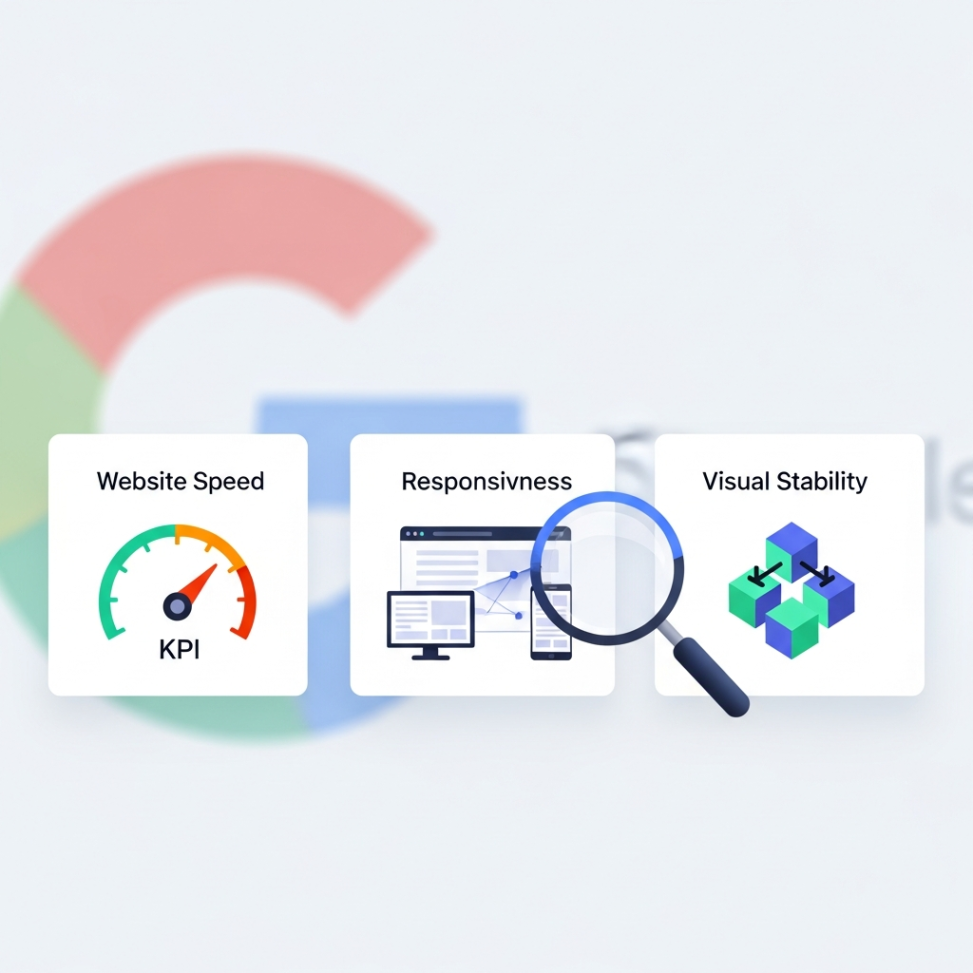
In the evolving landscape of digital presence, a fast, responsive, and visually stable website isn’t just a luxury – it’s a necessity. Google, ever committed to providing the best search results, has formalized this expectation through Core Web Vitals. These are a set of three specific, user-centric metrics that measure real-world user experience for loading performance, interactivity, and visual stability of a page. Essentially, they quantify how users perceive the performance of your website.
Understanding and optimizing Core Web Vitals is no longer optional for businesses aiming for top search engine rankings and satisfied customers. Let’s break down each of these critical metrics.
The Three Pillars of Core Web Vitals
Google evaluates your website’s performance based on three primary metrics:
- Largest Contentful Paint (LCP): Measures loading performance. It reports the render time of the largest image or text block visible within the viewport, relative to when the page first started loading. An ideal LCP score is 2.5 seconds or less.
- Interaction to Next Paint (INP): Measures interactivity. This metric assesses a page’s overall responsiveness to user interactions by observing the latency of all click, tap, and keyboard interactions that occur throughout the lifespan of a user’s visit to a page. An ideal INP score is 200 milliseconds or less. (Note: INP officially replaced First Input Delay (FID) as a Core Web Vital in March 2024.)
- Cumulative Layout Shift (CLS): Measures visual stability. It quantifies the amount of unexpected layout shift of visual page content. Imagine clicking a button, only for the page to suddenly shift, causing you to click something else entirely. A good CLS score is 0.1 or less.
Why Core Web Vitals Are Non-Negotiable for SEO
Google announced Core Web Vitals as an official ranking factor in 2021. This means that a technically sound, user-friendly website is more likely to rank higher in search results. Here’s why they matter for your SEO strategy:
- Direct Ranking Impact: Pages that offer a superior user experience, as measured by CWVs, are favored by Google’s algorithms. This can directly impact your visibility in search results.
- Improved User Engagement: Faster loading times and a smoother experience lead to lower bounce rates and higher engagement. Users are more likely to stay on your site, explore more pages, and convert, sending positive signals to search engines.
- Competitive Advantage: In a crowded digital space, optimizing CWVs can give you an edge over competitors who neglect these crucial metrics.
- Future-Proofing Your Site: Google consistently emphasizes user experience. Aligning with CWVs ensures your site remains compliant with current and future best practices.
Beyond Rankings: The User Experience Imperative
While SEO is a significant motivator, the core purpose of Core Web Vitals is to prioritize the user. A website with excellent CWV scores translates directly to a better user experience, which in turn benefits your business in numerous ways:
- Reduced Frustration: No one likes a slow, janky website. Good CWVs minimize user frustration, leading to a more positive brand perception.
- Higher Conversion Rates: A seamless user journey from landing to conversion is crucial. Quick loading and stable interfaces mean users are more likely to complete desired actions, whether it’s making a purchase, filling out a form, or signing up for a newsletter.
- Increased Brand Loyalty: Websites that consistently deliver a great experience build trust and encourage repeat visits.
Actionable Steps to Optimize Your Core Web Vitals
Improving your Core Web Vitals involves a combination of technical adjustments and content optimization. Here are some key strategies:
For Largest Contentful Paint (LCP):
- Optimize Images: Compress images, use modern formats (like WebP), and implement responsive images.
- Lazy Load Images and Videos: Load images and videos only when they are about to enter the viewport.
- Improve Server Response Time: Upgrade your hosting, use a Content Delivery Network (CDN), and optimize your server-side code.
- Prioritize Critical Resources: Ensure CSS and JavaScript that renders the visible content loads first.
For Interaction to Next Paint (INP):
- Minimize JavaScript Execution: Defer non-critical JavaScript, break up long tasks, and optimize third-party scripts.
- Reduce Main Thread Work: Optimize your CSS and JavaScript to reduce the amount of work the browser’s main thread needs to do.
- Use Web Workers: Offload heavy computational tasks to web workers to free up the main thread.
For Cumulative Layout Shift (CLS):
- Specify Image and Video Dimensions: Always include width and height attributes or use CSS aspect ratio boxes for images and videos.
- Preload Web Fonts: Prevent layout shifts caused by fonts loading late by preloading them and using
font-display: swap. - Avoid Inserting Content Above Existing Content: Be cautious with dynamically injected content unless it’s in response to a user interaction.
- Pre-allocate Space for Ads and Embeds: Ensure elements like ads and embedded content have reserved space to prevent unexpected shifts.
Tools to Measure Your Core Web Vitals
Several tools can help you assess your website’s Core Web Vitals performance:
- Google PageSpeed Insights: Provides both lab and field data for your website’s performance, including CWV scores and actionable recommendations.
- Google Search Console: Offers a dedicated Core Web Vitals report, showing performance across your entire site based on real user data.
- Lighthouse (Chrome DevTools): A powerful, open-source automated tool for improving the quality of web pages, offering insights into performance, accessibility, and more.
- Chrome User Experience Report (CrUX): Provides real-user measurement data for Core Web Vitals across millions of websites.
Embrace Core Web Vitals for Future Success
Core Web Vitals are more than just another set of metrics; they represent Google’s commitment to a faster, more stable, and user-friendly web. By actively monitoring and optimizing these vital signals, you’re not just playing by Google’s rules; you’re investing in a superior experience for your audience. This commitment translates into better SEO rankings, higher engagement, and ultimately, a more successful digital presence. Start optimizing today and watch your website thrive!
Leave a Reply