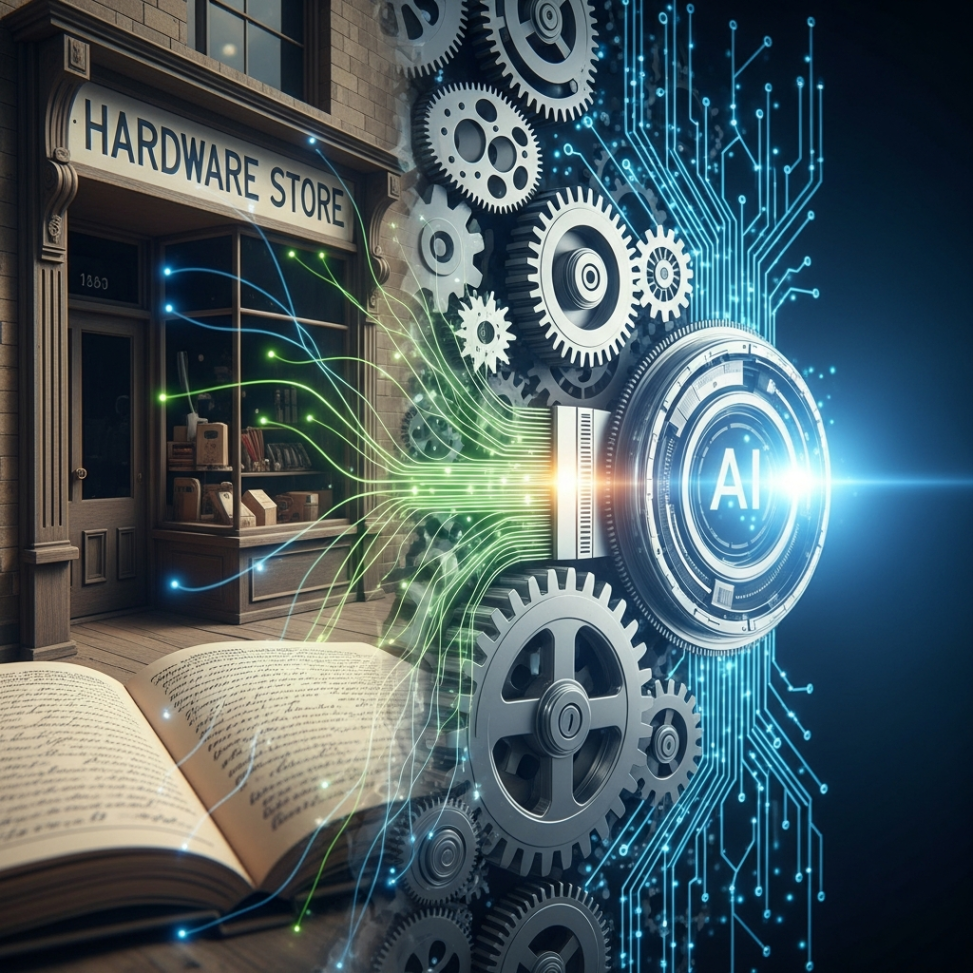
The Shifting Sands of Business Automation: From Speed to Strategy
For years, the mantra in the business world, especially for agile small and medium-sized enterprises (SMEs), was speed. In 2024 and 2025, companies raced to optimize every process: faster email responses, quicker code deployment, and instant chatbot interactions. The focus was largely on transactional efficiency – doing things faster.
However, as we look towards 2026, a significant paradigm shift is redefining the role of AI automation in small businesses. It’s no longer just about speed; it’s about strategic integration, intelligent decision-making, and unlocking unprecedented growth opportunities. AI is no longer just a tool for acceleration, but a co-pilot for innovation.
The Evolution: From Task Automation to Strategic Intelligence
The initial wave of AI adoption was undeniably about efficiency gains. Small businesses leveraged AI to:
- Automate repetitive tasks (e.g., data entry, scheduling).
- Streamline communication (e.g., chatbots, email automation).
- Accelerate content generation (e.g., marketing copy, social media posts).
While these benefits are foundational, the 2026 landscape introduces a deeper, more transformative application. AI is moving beyond simply executing tasks faster to becoming an integral part of strategic planning and operational intelligence.
How AI is Rewriting the Small Business Playbook in 2026
This new era of AI automation offers small businesses capabilities previously exclusive to large corporations. Here’s how it’s reshaping the playbook:
1. Personalized Customer Experiences at Scale
AI is enabling hyper-personalization that goes far beyond simple name insertions. By analyzing vast amounts of customer data, AI tools can:
- Predict customer needs: Offer proactive support and personalized product recommendations before customers even ask.
- Tailor marketing campaigns: Create dynamic content and segment audiences with unparalleled precision, leading to higher conversion rates.
- Enhance customer service: Intelligent virtual assistants handle complex queries, freeing human agents for more critical interactions and providing 24/7 support.
2. Optimized Operations and Supply Chain Management
The days of reactive inventory management are fading. AI empowers small businesses with:
- Predictive analytics for demand forecasting: Minimize waste, prevent stockouts, and optimize purchasing decisions.
- Automated inventory tracking: Real-time visibility into stock levels across multiple channels.
- Logistics optimization: Identify the most efficient shipping routes and schedules, reducing costs and delivery times.
3. Smarter Financial Management and Forecasting
AI brings a new level of sophistication to financial planning:
- Automated bookkeeping and expense tracking: Reduce human error and save valuable time.
- Cash flow prediction: AI algorithms can analyze historical data and market trends to provide more accurate cash flow forecasts.
- Fraud detection: Proactive identification of suspicious transactions, safeguarding assets.
4. Empowering Human Potential and Innovation
Perhaps the most significant shift is how AI empowers small business owners and their teams. By automating the mundane and providing intelligent insights, AI allows human employees to focus on:
- Creative problem-solving.
- Strategic planning and innovation.
- Building deeper customer relationships.
- Developing new products and services.
This isn’t about replacing humans; it’s about augmenting human capabilities and elevating the quality of work.
Navigating the Future: Tips for Small Businesses
To thrive in the AI-driven landscape of 2026, small businesses should consider:
- Start Small, Think Big: Identify one or two key pain points where AI can make a significant impact before scaling.
- Focus on Integration: Look for AI solutions that can seamlessly integrate with your existing tools and workflows.
- Invest in Data Quality: AI is only as good as the data it processes. Prioritize clean, accurate, and relevant data.
- Continuous Learning: Stay updated on emerging AI technologies and best practices relevant to your industry.
- Prioritize Ethics and Transparency: Ensure AI implementation is ethical, transparent, and respects customer privacy.
The Strategic Advantage of AI in 2026
The race for pure speed is over. The new frontier is about strategic intelligence, personalized engagement, and operational foresight. Small businesses that embrace AI not just as a tool, but as a strategic partner, will be the ones rewriting their playbooks, gaining significant competitive advantages, and achieving sustainable growth in 2026 and beyond. The future isn’t just faster; it’s smarter, more connected, and profoundly more capable for those ready to lead the charge.
Leave a Reply