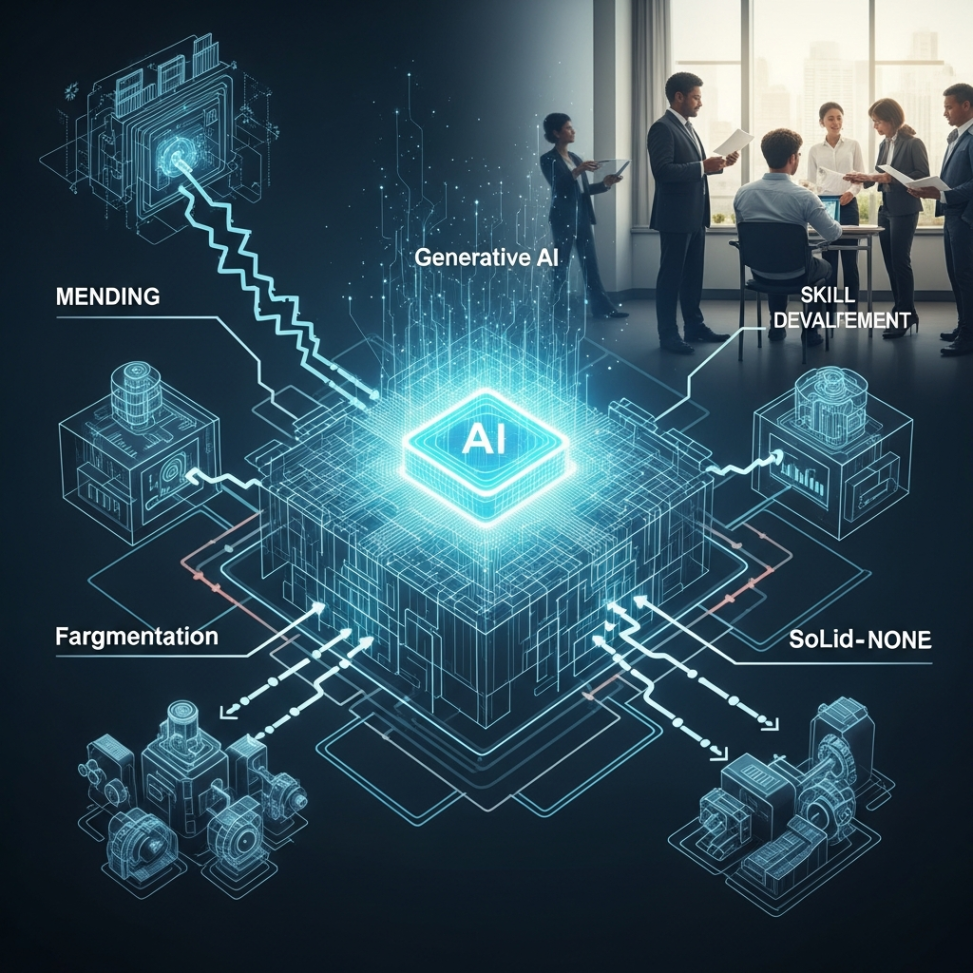
The Promise and Peril of Generative AI Integration
Generative AI is rapidly transforming the business landscape, offering unprecedented opportunities for automation, content creation, personalized customer experiences, and deeper insights. From drafting marketing copy to generating code and designing prototypes, its potential is immense. However, moving beyond experimental use cases to seamless, enterprise-wide integration presents a unique set of challenges. It’s not just about deploying a model; it’s about making it an integral, secure, and valuable part of your existing operations.
Why Generative AI Integration Matters
True value from Generative AI emerges when these powerful models are connected to your enterprise data, workflows, and applications. This integration allows AI to operate in context, leverage proprietary information, and deliver tailored outcomes that drive real business impact. Without it, Generative AI remains an isolated tool, unable to unlock its full strategic potential.
Common Barriers to Successful Generative AI Integration
While the vision is clear, the path to integration is often fraught with obstacles. Many organizations encounter similar hurdles when trying to embed Generative AI into their core systems:
-
Data Fragmentation
Your business data often resides in disparate systems, databases, and formats across the organization. This ‘data fragmentation’ makes it incredibly difficult to feed consistent, high-quality, and comprehensive data to Generative AI models. Inconsistent or incomplete data inputs can lead to biased, inaccurate, or irrelevant outputs, severely limiting the AI’s effectiveness.
-
Legacy Systems
Many enterprises rely on older, ‘legacy’ IT systems that were not designed for modern API-driven interactions or large-scale data processing required by AI. These systems often have proprietary interfaces, lack robust API support, or are difficult to modify, creating significant integration bottlenecks and increasing development time and cost.
-
Lack of Skills
The specialized expertise required to develop, deploy, and manage Generative AI systems is in high demand and short supply. Organizations often face a ‘skill gap’ in areas such as AI engineering, machine learning operations (MLOps), prompt engineering, data governance, and ethical AI implementation. Without the right talent, managing the complexity of integration becomes a major challenge.
-
Integration Complexity
Connecting Generative AI models involves navigating a labyrinth of technical considerations, including API management, data pipelines, scalability, real-time processing, and robust security protocols. Ensuring that the AI system communicates effectively with existing applications, databases, and user interfaces while maintaining performance, data privacy, and compliance adds significant complexity to the integration process.
Strategies for Seamless and Secure Integration
Overcoming these barriers requires a strategic, well-planned approach. Here’s how organizations can pave the way for successful Generative AI integration:
1. Define a Clear Strategy and Use Cases
Before diving into technicalities, identify specific business problems Generative AI can solve. Start with high-impact, achievable use cases that align with your strategic goals. A clear roadmap helps prioritize efforts and demonstrate early value.
2. Build a Robust Data Foundation
Address data fragmentation by investing in data unification strategies. This includes establishing data lakes or warehouses, implementing strong data governance policies, ensuring data quality, and creating secure, accessible data pipelines. High-quality, unified data is the lifeblood of effective Generative AI.
3. Leverage Modern Integration Platforms and APIs
To bridge the gap with legacy systems, utilize modern integration platforms that offer API management, middleware, and microservices architectures. These tools can create a layer between your old systems and new AI models, facilitating communication without overhauling existing infrastructure. Cloud-native solutions often provide flexible, scalable integration capabilities.
4. Invest in Upskilling and Talent Acquisition
Bridge the skill gap by investing in comprehensive training programs for existing staff in areas like AI literacy, prompt engineering, and MLOps. Simultaneously, strategically recruit specialized AI engineers, data scientists, and security experts to build a capable in-house team. Consider partnerships with AI consultancies for specialized expertise.
5. Prioritize Security, Privacy, and Ethical AI
A well-structured and secure integration means embedding security from the ground up. Implement robust access controls, encryption, and data anonymization techniques. Ensure compliance with data privacy regulations (e.g., GDPR, CCPA). Additionally, establish ethical AI guidelines to mitigate bias, ensure transparency, and foster responsible AI use.
6. Embrace a Phased and Iterative Approach
Rather than attempting a big-bang integration, adopt a phased rollout. Start with pilot projects, gather feedback, iterate, and then scale. This iterative approach allows for continuous learning, risk mitigation, and gradual expansion of Generative AI capabilities across the enterprise.
The Future is Integrated: Unlocking Business Value
While the challenges of Generative AI integration are significant, they are by no means insurmountable. By addressing data fragmentation, modernizing integration pathways, nurturing talent, and prioritizing security and ethics, businesses can move beyond experimentation to truly embed Generative AI into their operational fabric. The reward? Enhanced productivity, accelerated innovation, superior customer experiences, and a decisive competitive advantage in the digital age. The future of business is intelligent, and it’s integrated.
Leave a Reply