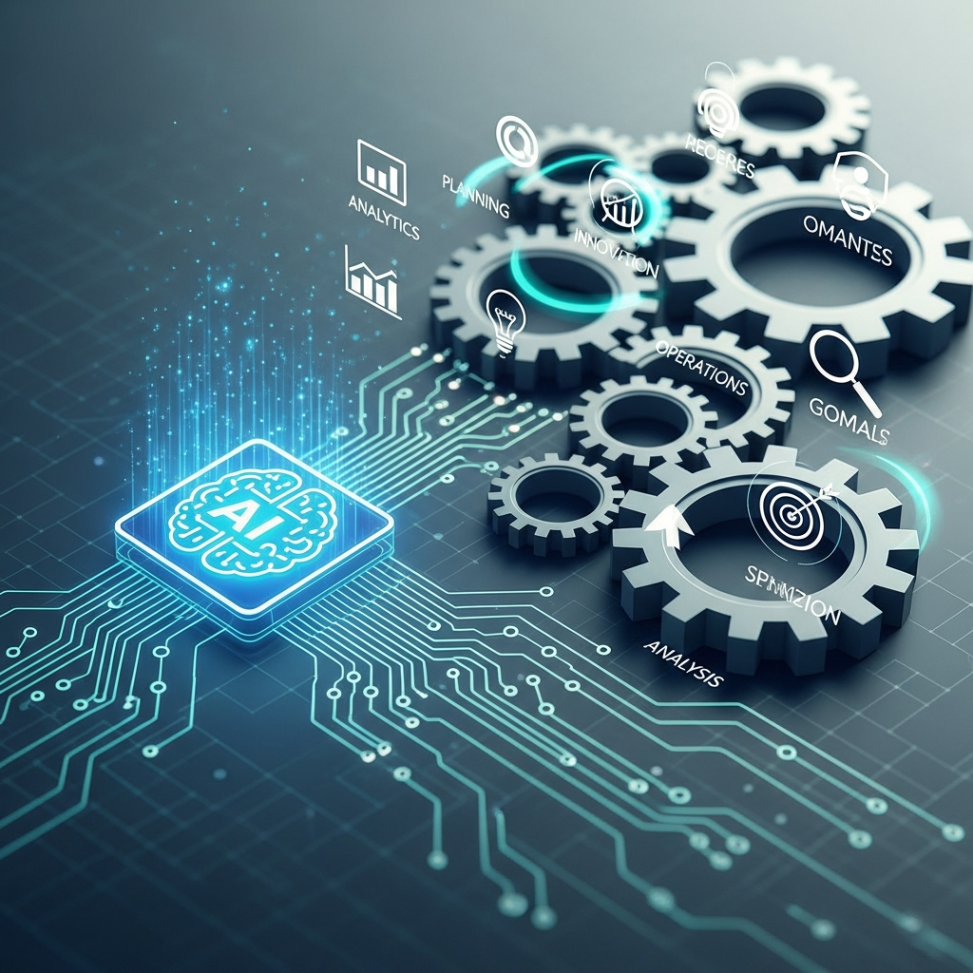
What is AI Workflow Optimization?
In today’s fast-paced business landscape, efficiency is paramount. Enter AI workflow optimization: the strategic application of artificial intelligence to analyze, improve, and streamline virtually every aspect of a business’s operational processes. It’s more than just automation; it’s about making work get done faster, smarter, and with greater accuracy by leveraging AI’s ability to learn, predict, and automate complex tasks.
Imagine a system that can identify bottlenecks before they impact production, automate repetitive data entry, or even personalize customer interactions at scale. That’s the promise of AI in optimizing workflows – transforming mundane, time-consuming tasks into intelligent, efficient operations.
Why Your Business Needs AI Workflow Optimization Now
The benefits of integrating AI into your workflows extend far beyond simple task automation. Here’s why businesses are rapidly adopting this transformative approach:
-
Boosted Efficiency & Speed
AI-powered tools can process vast amounts of data and execute tasks at speeds impossible for humans, significantly reducing cycle times for various processes, from document processing to customer support.
-
Reduced Operational Costs
By automating repetitive tasks and optimizing resource allocation, AI minimizes the need for manual intervention, leading to substantial cost savings in labor, materials, and overhead.
-
Enhanced Accuracy & Quality
AI algorithms are designed for precision. They can detect anomalies, prevent errors, and maintain consistent quality across operations, leading to higher-quality outputs and fewer costly mistakes.
-
Superior Decision-Making
AI analyzes real-time data to provide actionable insights, predictive analytics, and recommendations, empowering leaders to make more informed, data-driven decisions that impact strategy and performance.
-
Improved Employee Satisfaction
By offloading tedious, routine tasks to AI, human employees are freed up to focus on more creative, strategic, and high-value work, leading to increased job satisfaction and engagement.
-
Scalability and Agility
AI-optimized workflows can easily scale up or down to meet fluctuating demands, providing businesses with the flexibility and agility needed to adapt to market changes rapidly.
How AI Transforms Business Workflows: Practical Applications
AI workflow optimization isn’t a one-size-fits-all solution; its applications span across diverse departments and industries. Here are a few examples:
- Customer Service: AI-powered chatbots and virtual assistants handle routine inquiries, provide instant support, and route complex issues to human agents, improving response times and customer satisfaction.
- Data Entry & Processing: Using Robotic Process Automation (RPA) and machine learning, AI automates the extraction, validation, and entry of data from various sources, eliminating manual errors and accelerating data-driven insights.
- Supply Chain Management: AI predicts demand fluctuations, optimizes inventory levels, identifies potential disruptions, and streamlines logistics, ensuring smoother operations from procurement to delivery.
- Marketing & Sales: AI analyzes customer behavior to personalize marketing campaigns, generates compelling content, scores leads, and predicts sales trends, leading to higher conversion rates.
- Human Resources: From automating resume screening and candidate matching to personalizing onboarding processes, AI enhances efficiency in HR, allowing teams to focus on talent development.
- Financial Operations: AI assists in fraud detection, risk assessment, expense report processing, and financial forecasting, bringing greater accuracy and security to financial workflows.
Key Technologies Driving AI Workflow Optimization
Several core AI technologies power these advanced workflows:
- Machine Learning (ML): Algorithms learn from data to identify patterns, make predictions, and automate decision-making without explicit programming.
- Robotic Process Automation (RPA): Software robots mimic human interactions with digital systems to automate repetitive, rule-based tasks.
- Natural Language Processing (NLP): Enables computers to understand, interpret, and generate human language, crucial for chatbots, sentiment analysis, and content creation.
- Computer Vision: Allows AI systems to interpret and understand visual information from the world, used in quality control, security, and object recognition.
Embarking on Your AI Workflow Optimization Journey
Implementing AI to optimize workflows requires a strategic approach:
- Identify Bottlenecks: Pinpoint areas in your existing workflows that are slow, inefficient, or prone to human error.
- Define Clear Goals: Determine what you aim to achieve with AI – e.g., reduce processing time by X%, cut costs by Y%.
- Start Small: Begin with pilot projects in low-risk areas to test the technology and gather insights.
- Ensure Data Quality: AI thrives on good data. Invest in data cleansing and management.
- Integrate Gradually: Ensure new AI systems seamlessly integrate with existing infrastructure.
- Monitor & Iterate: AI models need continuous monitoring and refinement to remain effective.
The Future is Optimized: A Strategic Imperative
AI workflow optimization is no longer a futuristic concept; it’s a present-day imperative for businesses aiming to stay competitive and innovative. By intelligently automating and enhancing processes, organizations can unlock unprecedented levels of efficiency, reduce costs, and empower their workforce to achieve more strategic objectives.
Embracing AI isn’t just about adopting new technology; it’s about reimagining how work gets done, fostering a culture of continuous improvement, and building a more agile, resilient, and intelligent enterprise for tomorrow.
Leave a Reply